Half an Hour, One Drawer: The Calm Medicines Tidy-Up Before Care Changes
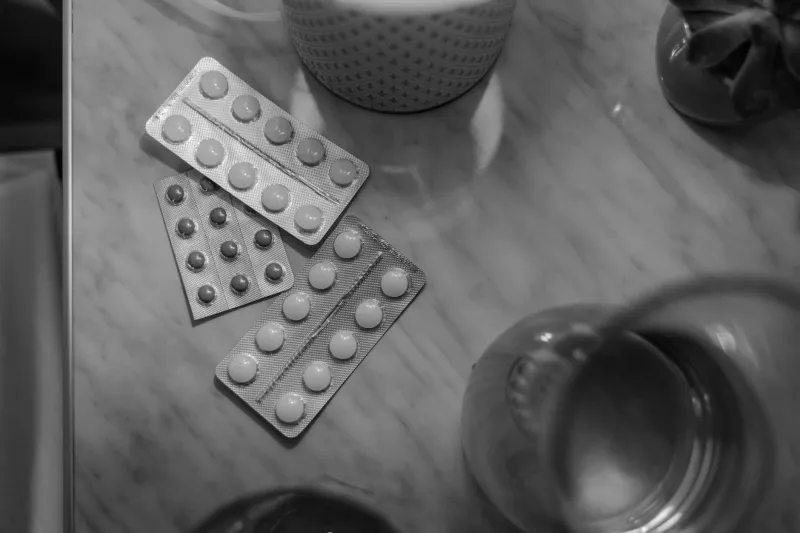
There's a drawer in most homes that tells a quiet story. It's the one with the paracetamol, the old blister pack, a repeat prescription slip from two moves ago, and a throat lozenge that has seen better days. Nobody means for it to get messy. Life just happens.
But when care routines change — a new carer starts, someone comes home from hospital, or a family member takes on more of the day-to-day — that drawer suddenly matters more than it did last week. A calm half-hour with it can make everything feel a bit steadier. Not because you're playing pharmacist. Because you're making the information clear, the labels readable, and the questions easier to ask.
This isn't about deciding what should be stopped, started or changed. That's a job for a GP, pharmacist or specialist. It's about the practical stuff around the medicine: what's in the house, what's current, what's duplicated, and who to ring when something doesn't look right.
Start by gathering, not judging
Pick a time when the house is reasonably quiet. Empty the drawer, cupboard or bag onto a kitchen table — not the floor, especially if anyone in the house has mobility or eyesight worries. Have a notebook, a pen, your phone, and a pair of glasses if you need them.
Don't try to sort as you go. Just gather. You'll probably find the expected things: daily tablets, inhalers, eye drops, creams, maybe a dosette box or blister pack. You might also find the unexpected: an old antibiotic from last winter, a supplement someone stopped taking, or three nearly identical boxes of the same painkiller bought on different shopping trips.
That's normal. Most family medicine drawers are a small museum of good intentions.
Check the labels and the dates
Now, one item at a time, look at the label. Is the name on it the person who lives here? Is the dose instruction readable? Has the pharmacy label faded? Is there an expiry date, and has it passed?
You don't need to make a clinical call about every date. You just need to notice. Put anything expired or unreadable to one side. In the UK, unwanted medicines shouldn't go in the bin or down the sink. Most pharmacies will take them back for safe disposal — it's a normal part of their day, so there's no need to feel awkward about asking.
If a label is confusing, write down the question rather than guessing. Something like: "This says one tablet twice a day — is that still right?" That's a useful thing to ask the pharmacist or GP surgery, not something to solve at the kitchen table.
Look out for duplicates
This is the bit that surprises people. Two boxes can look completely different and still contain the same active ingredient. A branded painkiller and a supermarket own-brand version might be the same thing under different packaging. A cold remedy might contain paracetamol when someone is already taking it separately.
You're not expected to know every ingredient off by heart. But it's worth lining up similar items and checking the active ingredient on the box. If you spot a possible duplicate, don't bin anything. Make a note and ask a pharmacist. They deal with this question all the time and can tell you what's what without making you feel silly.
Make sense of repeat prescriptions and dosette boxes
If the person you care for uses a dosette box or blister pack, have a look at how it's working in practice. Is the box labelled clearly? Is there a pharmacy phone number on it? Are there any loose tablets sitting beside it that don't seem to belong? Does the repeat prescription list match what's actually being taken?
Sometimes families discover that a medicine is still on repeat but hasn't been used for months, or that a new medicine was started but the old box is still in the drawer. Again, these are questions for the GP or pharmacist, not decisions to make alone.
If a new carer is starting, it helps to know exactly how the person takes their medicines — with breakfast, with a glass of water, using a spacer, or with a particular cream at night. Write it down plainly. A short note is far more useful than a pile of boxes and a hopeful expression.
Write the one-page medicine note
You don't need a formal care plan to do this. A single sheet of paper is enough. Put it somewhere the carer can find it, and keep a photo of it on your phone.
Include:
- The person's name and date of birth
- The GP surgery name and phone number
- The pharmacy name and phone number
- Any known allergies and what kind of reaction happened, if known
- The main medicines and how they're usually taken, in plain words
- Anything the carer should know, such as "uses a spacer" or "prefers water, not squash"
- Who to contact first if something seems wrong
Keep it factual. Avoid writing things like "Mum sometimes forgets her blue tablet" unless you've checked the details with the GP or pharmacist. "Blue tablet" is not a medicine name, and a carer needs the label, not a guessing game.
Store it kindly and safely
Most medicines like a cool, dry cupboard — not a steamy bathroom shelf or a sunny windowsill. Keep current medicines separate from the ones waiting to go back to the pharmacy. If there are children in the house or someone with memory difficulties, think about whether a lockable box would be sensible. That's a practical safety step, not a comment on anyone's capability.
And keep the carer's access in mind. If a new person is coming in, show them where the medicines live, where the note is, and which pharmacy you use. A two-minute walk-through saves a lot of phone calls later.
Know what to raise, and with whom
A medicines tidy-up is not a diagnosis. It's a way of noticing what needs a proper conversation. Raise things like:
- Expired or unreadable medicines
- Possible duplicates
- A medicine that seems to be causing a new symptom
- A missed dose or a double dose
- Difficulty swallowing tablets
- A dosette box that doesn't match the prescription
- Confusion about what a label means
Start with the pharmacist for labelling, duplicates, disposal and practical questions. Ring the GP surgery for changes to prescriptions, review appointments or concerns about how a medicine is working. If someone becomes unwell, follow the usual NHS advice — 111 or 999 if it's urgent.
The half-hour payoff
When the drawer is sorted, nothing dramatic happens. There's no medal. But the next time a carer asks, "Where are the medicines?", you'll both know. The labels will be readable. The duplicates will be noted. The pharmacy number will be to hand. The expired stuff will be in a bag ready to go back.
That's a small, quiet kind of safety. And for families in the middle of care changes, small and quiet is often exactly what's needed.