Keys, Codes and Calm: Getting Carer Access Right Without the Worry
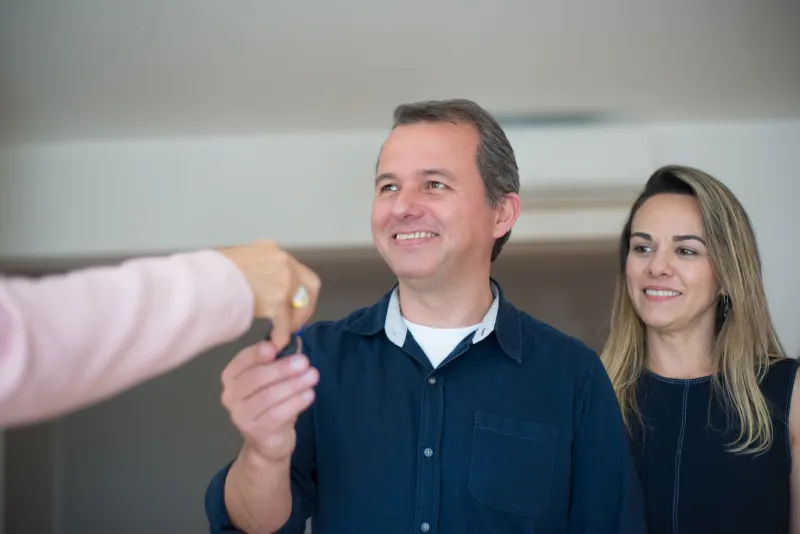
Ask most families what worries them about home care and they will mention the big things: safety, dignity, whether the carer will understand Mum’s ways. The spare key rarely makes the list. Yet it is often the first practical hurdle — and the one that can leave everyone feeling a little exposed. How does a carer let themselves in without turning your home into a lending library of keys and codes?
The answer is not a single gadget. It is a calm, written agreement, a sensible bit of kit, and a conversation that happens before the first visit. Get those three roughly right and the spare key stops being a nagging worry and becomes a quiet piece of admin. Get them wrong and you can end up with a neighbour who feels put upon, a key safe code shared too widely, or a doorbell camera that makes a carer feel watched rather than welcome.
Start with the conversation, not the key safe
Before anyone buys a combination box or downloads a smart-lock app, talk about access. Who needs to get in? At what times? Is there a second carer or a relief worker? What should happen if the person receiving care does not answer the door? And, importantly, what does the person receiving care want?
That last question matters most. If the person you are caring for has dementia, their view may change from day to day, but it still deserves to be heard. If they can express a preference — ‘I don’t want a key safe on the front wall’ or ‘I’d rather Jane had her own key’ — write it down. Consent is not a one-off signature. It is a continuing conversation, and it should be revisited if circumstances change.
For families, this is also the moment to be honest about discomfort. It is perfectly normal to feel uneasy about handing over a key. Saying so out loud takes the sting out of it. A good care provider will not be offended; they will have heard it before.
The options, plainly
There is no perfect access solution. There is only the one that fits your home, your family and the person receiving care.
Key safes are the traditional UK answer. A small combination box screwed to an exterior wall, usually near the front door, holding a single key. They are cheap, simple and work without wifi or batteries. The downsides are equally simple: a code can be shared too widely, the box can look institutional, and if you rent, you need your landlord’s permission before drilling. Check your home insurance too — some policies have views on keys left outside, even in a safe. Choose a reputable model, fit it out of easy reach, and change the code when care ends or when a carer leaves.
Smart locks appeal to people who like a record of who came and went. You can issue temporary codes, revoke them from an app, and avoid hiding a physical key at all. But they depend on batteries, wifi and a family member who is comfortable with the technology. A power cut or a flat battery should never leave a carer stranded, so keep a backup plan — a physical key with the agency, a trusted neighbour, or a key safe as a fallback. And if the person receiving care is not comfortable with tech on the door, that matters more than the convenience.
Doorbell cameras can be reassuring. They let you see when a carer arrives and confirm the visit happened. But they also raise questions about privacy. A carer should know the camera is there before they ring the bell. Point it at the doorstep, not into the home. Do not use it to listen in on personal care. Under UK GDPR, you have responsibilities if you are recording people, and a care worker has a right to be treated with dignity. A camera is not a substitute for trust; it is a supplement to a clear agreement.
Neighbour arrangements work beautifully for some families and badly for others. A neighbour who is happy to hold a spare key and pop round in an emergency is a gift. But neighbours move, go on holiday, or quietly resent being on call. If you go down this route, ask directly, write down what you are asking of them, and have a backup. Never assume.
The paper trail that prevents muddles
Whatever you choose, write it down. A one-page access plan is enough. It should include:
- who holds keys or codes, and their contact details
- the times and days access is expected
- what a carer should do if there is no answer
- who else has access — family, cleaners, district nurses, landlords
- the name and number of someone to call if the key safe jams or the smart lock fails
- the date the arrangement will be reviewed
Give a copy to the care provider, keep one at home, and share it with anyone who needs it. The plan should live with the care plan, not in a drawer of good intentions. Review it every few months, and always after a hospital stay, a change of carer, or a move.
Small details that make it feel okay
A few practical touches go a long way. Label the key with a colour code rather than the address. Test the key safe or smart lock with the carer on the first visit, while you are still there. Show them which key opens the stiff back door and which one is for the porch. Leave a note inside the door explaining the alarm, the dog, or the fact that the hallway light switch is temperamental.
And think about the ending. When care finishes, collect keys, change codes, and update the access plan. It is a small act of closure that protects everyone.
The spare key question is not really about security alone. It is about trust, and trust is built in small, ordinary ways. A clear conversation, a sensible lock, a written note and a bit of courtesy will do more than any gadget. If you are arranging care and feel a flutter of worry about the key, that is normal. Say it out loud, agree the plan, and let the first visit start with a welcome rather than a fumble at the door.