The Fridge-Door Festive Plan: Keeping Home Care Calm When the Shops Shut

Christmas 2026 is still a few weeks away, but the festive shutdown has a way of arriving faster than the supermarket mince pies. For families who rely on home care, the last week of December can feel like a logistical puzzle: pharmacies on reduced hours, carers on a different rota, and half the country apparently unreachable by phone. The good news is that a short, calm check on Christmas Eve can take most of the panic out of it. Not all of it, obviously. This is Christmas. But most of it.
Begin with the repeat prescription, not the turkey
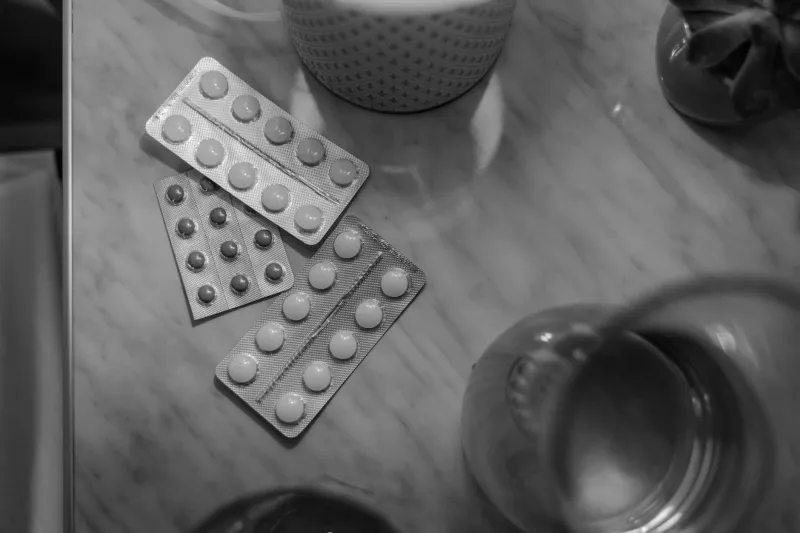
Before you think about sprouts or seating plans, look at the medicines. In the run-up to Christmas 2026, order repeat prescriptions earlier than you normally would. GP practices and pharmacies close for bank holidays, and some reduce their hours between Christmas and New Year. If something is due in the last week of December, order it in good time rather than hoping for a festive miracle.
Count what is actually in the house. Not to create a spreadsheet the size of a tea towel, just enough to know whether you have a comfortable supply. Keep medicines in their original boxes and packaging, because labels matter if anyone else needs to help. If something needs to be kept cold, check the fridge temperature and make sure there is space for it. And if you are unsure about opening times, ask your pharmacist now rather than on Christmas Eve. They will know their own festive hours better than anyone.
This is not about stockpiling half the pharmacy. It is about making sure the ordinary routine can carry on when the ordinary shops are shut.
Put the festive rota where everyone can see it
Home care does not pause for Christmas. It may look different, though. Ask your care provider for the visit times across the bank holidays, including Christmas Eve, Christmas Day, Boxing Day, the substitute bank holiday and New Year's Day. Ask whether the usual carer is expected and who will come if they are unwell or delayed. A good provider will have a contingency plan; you just want to know what it is.
When the rota arrives, write it down. Put it on the fridge, in the kitchen, or wherever the household already looks for keys and shopping lists. Include the carer's name if you know it, the visit time, and the office number. If your relative is used to a particular routine, add a short note about what matters most: a cup of tea first, the curtains opened, the radio on, the front door locked afterwards. Small details help a different carer feel less like a stranger.
And if family are taking over some visits, tell the care provider. A quick email or phone call saves a wasted journey and a confusing knock at the door.
Save the numbers before you need them
Most of us rely on finding a number when we need it. At Christmas, that is exactly when the bit of paper has vanished. Spend five minutes saving the useful contacts in your phone under names you will recognise. The care provider's office and out-of-hours line, the GP surgery, the local pharmacy, the district nursing team if they are involved, and NHS 111 for urgent medical advice. Add a trusted neighbour or relative too, the sort of person who would not mind a knock.
This is not a list of disasters. It is just a list of people who can help with ordinary problems. A missed visit, a medication query, a sudden worry that does not feel like an emergency but cannot wait until Tuesday. Save the numbers, check they are current, and make sure your relative has them too if they can use a phone. And keep 999 for actual emergencies, as always.
Leave an 'if plans change' note
One of the kindest things you can leave for the household is a single sheet of paper that explains what normal looks like. It does not need to be official or beautifully typed. A page in a plastic wallet on the fridge is fine. Write down who lives there, what they like to be called, any allergies, where the medicines are kept, how they like their tea, whether the door needs a particular knack, and who to call if something changes.
Add anything practical about hearing aids, glasses, mobility, pets, or the alarm code. If family are expected at a certain time, say so. If the carer should not worry if the kitchen light is off because it is on a timer, say that too. Date the note and tell the care provider it is there. It is not a legal document. It is a kindness for the person who walks through the door when you are not there.
The twenty-minute walk-round
On Christmas Eve, do a short walk-round rather than a full audit. Check the prescription bag. Check the rota on the fridge. Check the numbers are saved. Check the note is visible. Make sure the phone is charged and the heating is doing whatever it normally does. Put a spare key where it belongs, not in the mysterious drawer of good intentions.
Then ask yourself one question: if tomorrow went a little sideways, would a kind stranger know what to do? If the answer is mostly yes, stop. Make a cup of tea. The point of the check is not to achieve a perfect Christmas. It is to make the day legible.
Let Christmas Day be a day
Christmas Day is allowed to be simple. It does not need a timetable pinned to the wall or three different types of potato. If a carer is visiting, welcome them and let the visit be what it is. If family are covering personal care, tell the agency so nobody makes a wasted trip. If plans change at the last minute, ring the office as early as you can. Most problems at Christmas are not disasters; they are just things that need a quick conversation.
The same goes for the days after. Boxing Day and New Year's Day can feel like a strange limbo, especially when shops are shut and routines are upside down. Keep the fridge-door plan in place until the first normal week of January. Then take it down, update anything that has changed, and start the new year with one less thing to remember.
At Victor Lettitia Care Services, we know that good care is often made of small, ordinary preparations. A prescription checked early. A rota written down. A phone number saved. A note that tells someone where the mugs live. None of it is dramatic. All of it helps Christmas feel less like a logistics exercise and more like a day you can actually spend with the people you love.