The Baton Pass: Keeping Home Care Steady When Shifts Change Hands

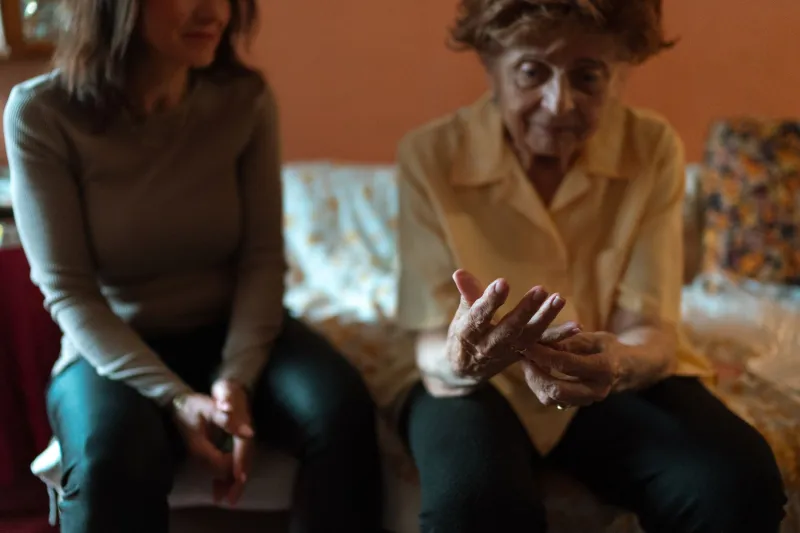
Photo: home carer handover notebook kitchen table UK two carers talking, via cdn1-production-images-kly.akamaized.net
In home care, changeovers happen quietly. One carer zips up a coat, another arrives at the door, and in between sits a small window where useful details can vanish. Not dramatic things, usually. More like: Dad ate less at lunch. Mum had a wobble on the stairs. The district nurse is coming Thursday. There is a new patch on a heel that needs watching.
A two-minute handover is not a performance review or a full case conference. Think of it as a baton pass. The next person does not need the whole race described to them. They need to know where the baton is, how the runner is doing, and what to watch for on the next lap.
Why the changeover matters more than it looks
Consistency is one of the quiet comforts of good home care. People receiving care notice when a new face does not know the small stuff: which cup is the right cup, that the radio is too loud before 10am, that a particular word can mean pain rather than confusion. Family carers notice too. A short, clear briefing helps the next carer start well instead of spending the first ten minutes working things out from scratch.
It also protects the carer who is leaving. They can hand over a worry rather than carry it home. That matters in a job where people often work alone in other people's homes.
What belongs in the two minutes
Keep the handover focused on what is different today and what the next carer needs to do. Four buckets are usually enough.
Medication. Any changes, refused doses, timing issues, or a pharmacy delivery expected. If nothing has changed, say so clearly.
Mood and energy. Was the person anxious, tearful, more confused than usual, or brighter than they have been all week? Mention what helped, too, not just what was difficult.
Eating and drinking. Appetite, fluids, any swallowing concerns, and what was actually offered. “She drank a full cup while we talked about the garden” is more useful than “OK at lunch”.
Body and mobility. New pain, a bruise, a skin patch, a near-miss on the stairs, equipment that is not working, or a change in toileting. Small observations can prevent bigger problems.
Then add the day's practical bits: appointments, visitors, keys, codes, or a form that needs signing. If everything is stable, “no changes since last visit” is a perfectly good handover.
What can wait, and what should not be left in a doorway
Not everything needs saying at the front door. General history, family preferences, and non-urgent admin can live in the care plan or a shared notebook. The changeover is not the moment for a long story about a cousin's wedding.
But some things should not be passed along as a casual aside. A safeguarding concern, a medication error, a new symptom that worries you, or a hospital appointment happening today needs to go to the agency office or manager as well as the next carer. A doorway chat is not a reporting system.
The small-wins bit
It is easy to hand over only problems. Try to include one thing that worked. “He walked to the front door without stopping.” “She ate the soup you left and asked for more.” “We had a proper laugh about the weather forecast.”
This is not fluffy. It gives the next carer a thread to pull and shows the person receiving care as a whole person, not a list of risks. It also makes the handover feel human rather than clinical.
How family members can help without hovering
If you are around during a changeover, the kindest thing is usually to be available but not to stand over the exchange. Prepare a simple note once, keep it in a known spot, and update only what has changed. Let the carer read it. If you are introducing a new carer, a brief “this is where the kettle is, and Mum prefers the blue mug” is plenty.
Ask the agency how handovers are meant to work. Some providers use digital care records; others rely on paper notes. Either way, you can ask what gets shared and how. Keep your own copy if it helps you feel settled.
If something is missed, tell the office rather than quizzing the new carer at the door. They are often on a tight schedule and may not have been given the full picture. Calm feedback to the right person fixes more than an anxious doorstep test.
A one-page template to adapt
Changeover note — [Name] — [Date]
- Today at a glance: mood, energy, sleep, appetite.
- Medication: any changes, refused doses, timing, pharmacy delivery.
- Eating and drinking: what went well, what to offer, any swallowing concerns.
- Body and mobility: pain, skin, bruising, falls or near-misses, equipment.
- Mood and company: what helped, what to avoid, anything important today.
- Appointments and visitors: today and tomorrow.
- Small wins: one thing that worked.
- Worries for the office: anything that needs more than a handover.
- Who to call: family contact, GP, district nurse, agency office.
Keep it to one side of A4. Use bullets, not paragraphs. Initial and date it. If there is no change, write “no changes since last visit”.
Making it stick
Agree the format with your care provider. Review it after a fortnight. If it is too long, trim it. If nobody uses it, ask why. The best handover is boring, specific and kind.
When the door opens and the next carer arrives, think baton, not clipboard. Two calm minutes can make the next hour steadier for everyone in the house.