Before the Frost: A Calm Winter Care Plan for UK Families

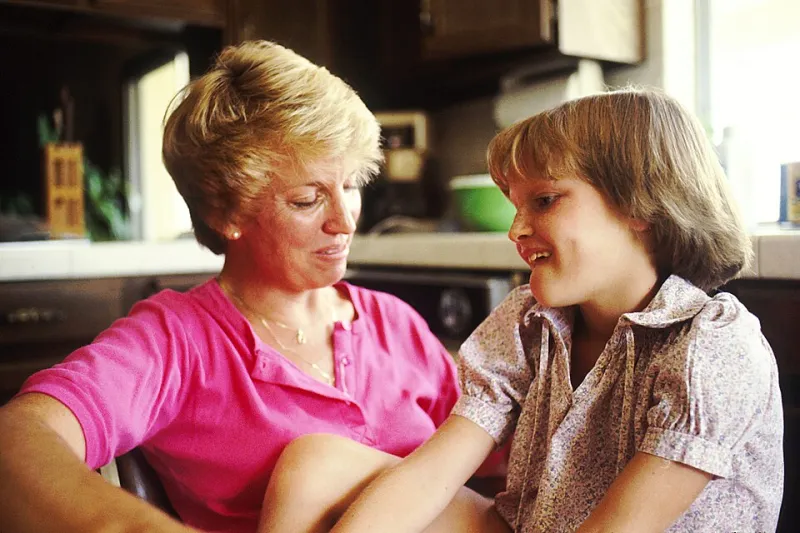
Photo: Fawzi Demmane, CC BY-SA 4.0, via Wikimedia Commons
There is a particular November moment many families will recognise. The heating clicks on, the nights draw in, and you notice something small: a fridge that is a bit emptier than usual, a pile of unopened post, or a parent who seems more tired than they did in September. It is not a crisis. It is just a nudge. And 2026 is as good a time as any to act on it gently.
Winter does not create care needs from nowhere, but it does make them harder to ignore. Cold weather, darker afternoons, flu season and the pressure of Christmas can all strain a routine that was already wobbling. The good news is that you do not need a dramatic overhaul. You need a plan — preferably one you can put together over a cup of tea.
Start with what you are actually seeing
Before you ring anyone or start comparing providers, write down what has changed. Is your relative skipping meals? Struggling with the stairs? Forgetting medication? Feeling the cold more because the heating is on a timer that no longer suits them? Are they more withdrawn, or anxious about going out after dark?
Try to separate practical needs from emotional ones. Both matter, but they lead to different kinds of help. A home care assessment might focus on washing, dressing, medication and meals. Companionship might be about conversation, confidence and company. Many families need a mix of both, and that is completely normal.
The twelve-step winter warm-up
Think of this as a checklist, not a to-do list from hell. Pick two or three items this week and come back to the rest later.
- Have the gentle conversation. Ask how they are finding the darker days. Listen more than you fix. Say you want them to feel settled, not supervised.
- Map a typical day. Breakfast, medication, lunch, appointments, evening. Where are the gaps? That is where support might fit.
- Check local authority help. Your council can carry out a care needs assessment. It is free to ask, even if you are unsure about eligibility.
- Compare private home care. A private agency can often start more quickly, but ask about minimum visit lengths, regular carers and costs.
- Check CQC ratings. In England, the Care Quality Commission rates providers. Look beyond the headline rating and read the inspection report for mentions of safety, dignity and responsiveness.
- Ask about winter-ready care plans. A good provider will talk about illness, bad weather, missed visits and how they communicate with family.
- Sort the heating and energy. Check timers, draughts, boiler servicing and whether your relative is worried about bills. Warmth is a health issue, not a luxury.
- Book flu and Covid jabs if eligible. GP surgeries and pharmacies can advise. Do not assume they have already had a letter.
- Build a medication and prescription plan. Repeat prescriptions, pharmacy delivery, and a simple system for knowing what has been taken.
- Create an emergency contact sheet. GP, pharmacy, neighbours, family, key holder, and any care agency. Put a copy by the phone and one on the fridge.
- Plan Christmas early. Who is travelling? Who is cooking? Will care visits continue over the bank holidays? Ask now, not on 23 December.
- Book a review. Put a date in the diary for January. Care needs change, and so do family circumstances.
Local authority or private? Neither is the automatic answer
There is no prize for choosing the “right” route. A local authority assessment can unlock support if your relative meets eligibility criteria, and it can be a useful starting point even if they do not. Waiting lists vary, and the process can feel slow when you are worried.
Private home care is usually self-funded, although some people use direct payments or a personal budget. It can offer flexibility, continuity and a faster start. The trade-off is cost and the need to choose carefully. Ask about the same carer where possible, visit lengths, cancellation policies and how they handle emergencies. A warm voice on the phone is lovely; a clear written care plan is better.
The conversation bit — without causing alarm
Many older people resist care because they hear “you cannot cope” when you meant “I want this to be easier for you”. Try framing it around specific things: “Would it help if someone came on Tuesdays to do the shopping?” or “I would worry less if there was someone to check the heating when it snows.” Give them choice. Let them meet the carer before a visit is booked. Dignity is not a soft extra; it is the whole point.
A small emergency plan goes a long way
You do not need a bunker. You need a few sensible details: a key safe if appropriate, a torch, a charged phone, a neighbour who has your number, and a plan for what happens if the heating fails or a care visit is delayed by snow. If your relative uses a care agency, ask what their bad weather policy is. Good providers plan for this every year.
Festive logistics, without the pressure
Christmas is lovely and logistics-heavy. Decide early whether care visits will continue, who is doing the Christmas Eve shop, and how your relative will get to any family gatherings. If they are hosting, scale it down. If they are travelling, build in rest. And if they would rather stay at home with a quiet dinner and a favourite film, that is a valid choice too.
You will not get every detail right, and you do not need to. A warm winter plan is simply a set of small, kind decisions made before the cold makes them urgent. Start with one phone call, one list, or one honest chat. That is enough for today.